The Florida HOA Headache: Why Fees Are Surging in 2026
Florida now has 50,000+ community associations — second only to California — and seven of the ten most expensive HOA metros in the country. Rising insurance costs, post-Surfside reserve requirements, and new Fannie/Freddie condo lending rules are pushing fees to record highs. Here’s what’s driving the surge and what it means for buyers.
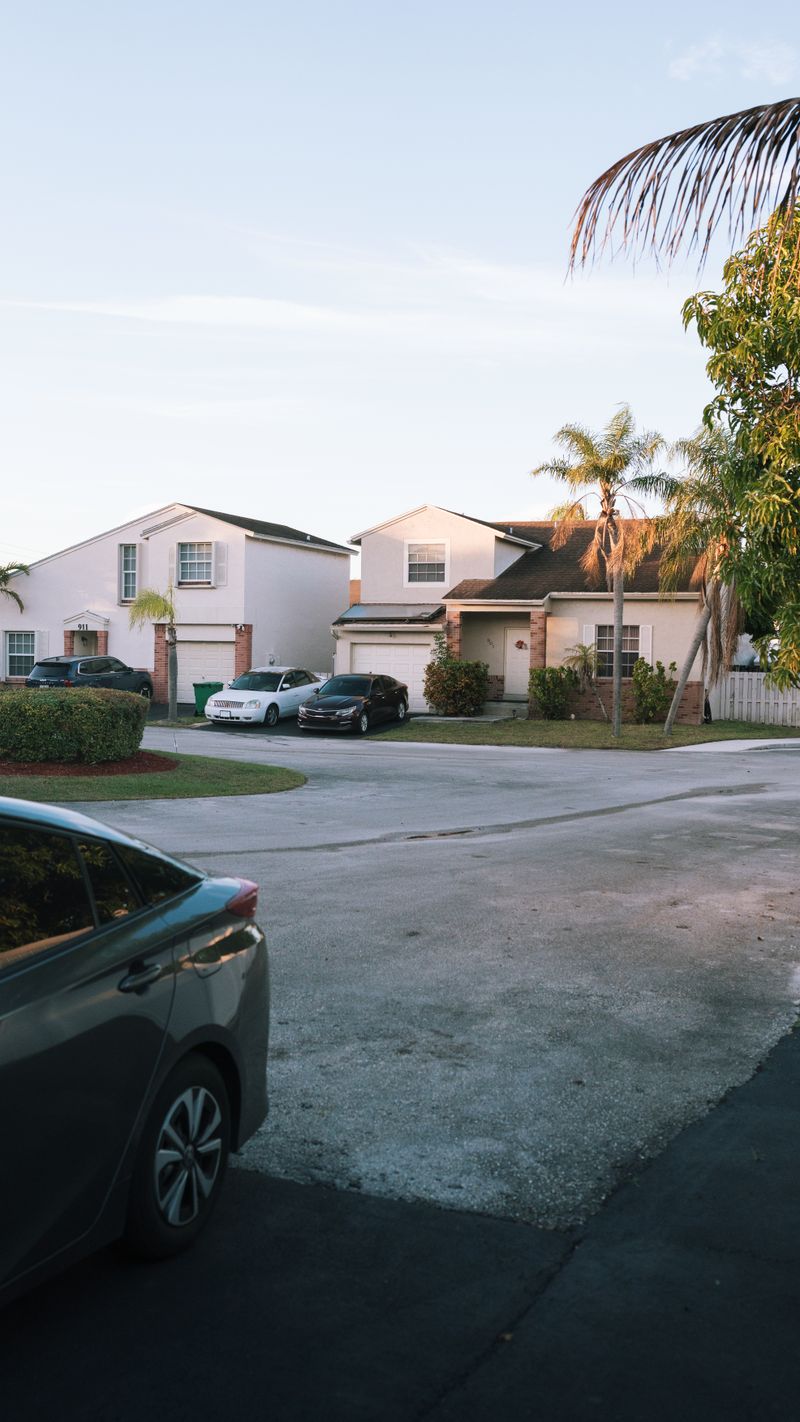
Florida’s HOA market has become ground zero for two converging trends: some of the highest housing-association costs in the country, and growing homeowner discontent with how those associations are run. With more than 50,000 community associations — more than any state except California — and an estimated 45% of Florida homes inside HOA-governed neighborhoods, the stakes are enormous. Here’s what’s actually driving the 2026 fee surge.
Florida Dominates the Most-Expensive HOA Metros
According to a recent Realtor.com analysis, Florida holds seven of the top 10 most expensive HOA metros in the United States. Miami–Fort Lauderdale–West Palm Beach tops the national list with a $617 median HOA fee — representing 26.9% of the typical monthly mortgage payment in that market, the highest share anywhere in the country. Naples–Marco Island ranks third ($711 median fee, $648K median home price). Cape Coral–Fort Myers comes in fourth ($475 fee, $450K median price). Panama City, Port St. Lucie, North Port–Bradenton–Sarasota, and Vero Beach round out the Florida names on the top 10.
Three Cost Drivers, All Pointing Up
First, insurance. Florida’s climate-related premium increases — wind, flood, structural — have compounded year after year. For coastal condos especially, the insurance line item alone can drive a five-figure swing in an association’s annual budget. Second, the post-Surfside legislative reforms requiring condominium associations to build full reserves and pass milestone structural inspections. Many associations that previously underfunded reserves are now legally required to catch up, and the cost is being passed straight to homeowners. Third, ongoing operating costs: long-term contracts for landscaping, cable/internet, security, and common-area maintenance — all rising with general inflation.
New Fannie Mae & Freddie Mac Rules Will Push Condo Fees Higher
In March 2026, Fannie Mae and Freddie Mac announced a new baseline reserve funding requirement of 15% of annual budgets — up from 10%. That’s a 50% jump in the floor. Combined with the lending standards that have tightened since Surfside — making it harder to get a mortgage in buildings with deferred maintenance, insufficient reserves, or pending repairs — it adds up to immediate pressure on every condo association in the state. Beth Rappaport, vice president of business development at Campbell Property Management in Boynton Beach, told Florida Weekly the change "is going to be really hard for people. Not just people on a fixed income, but anyone, because more money will have to be collected and placed in reserves."
The Legislative Session Delivered Little Relief
Several HOA reform bills were introduced in Florida’s 2026 session, but the headline measure — House Bill 657, which would have allowed homeowners to terminate their HOA — passed the House but failed to advance in the Senate. The bill was sponsored by Rep. Juan Carlos Porras (R–Miami-Dade) in response to the Hammocks corruption scandal, where board members and associates were accused of siphoning millions through fake vendor contracts. Critics argued the bill raised unresolved questions: if you dissolve an HOA, who maintains the private roads, common landscaping, and shared infrastructure?
Rappaport, who also represents the Florida Legislative Alliance arm of the Community Associations Institute, called the session "much ado about nothing." The CAI-FLA had hoped little would happen this session to give the industry time to "catch its breath" after a wave of recent regulatory requirements.
Why Florida Buyers Keep Paying Anyway
Despite the cost, Florida HOA homes continue to sell. Blair White, a Naples realtor with John R. Wood Christie’s, told Florida Weekly that most luxury Florida buyers are second-, third-, or fourth-home owners who explicitly prioritize a hands-off, turnkey lifestyle. "They are willing to pay for convenience, security and a turnkey lifestyle," White said. "They understand that lifestyle comes at a cost, and they are comfortable with that tradeoff."
For full-time residents, the calculus is harder. Nearly 65% of Florida home listings now carry HOA fees — there’s often no realistic way to opt out of HOA living in many parts of the state.
What to Watch Before You Buy in Florida
Always demand the latest milestone inspection report and reserve study before closing on a Florida condo. Look at the percent-funded number on the reserve study — anything below 50% is a near-certain special assessment. Read the last 12–18 months of meeting minutes. Ask about insurance deductible exposure for hurricane and structural events. And check whether the association is actively raising dues in line with reserve requirements — a board that hasn’t raised dues in years is a warning sign, not a good sign, in Florida’s current environment.
Florida’s HOA market is unlikely to get cheaper anytime soon. The structural pressures — insurance, reserves, lending standards — all point one direction. The smartest move for buyers is to underwrite the full carrying cost (mortgage + taxes + HOA + insurance) honestly before signing, and to assume those costs will keep climbing through 2027.
Sources: Florida Weekly reporting by Garry Overbey, May 14, 2026; Realtor.com 2026 HOA fee analysis; Foundation for Community Association Research.